Asset Management and Acoustic Situational Awareness at Sea
The maritime industry is entering a new era defined by automation, remote operation, stricter regulatory expectations, and increasing pressure to reduce downtime and operational risk. From conventional cargo vessels and ferries to fully autonomous ships (MASS), operators face a common challenge: how to maintain safety, reliability, and compliance when human presence on board is reduced, or removed entirely.
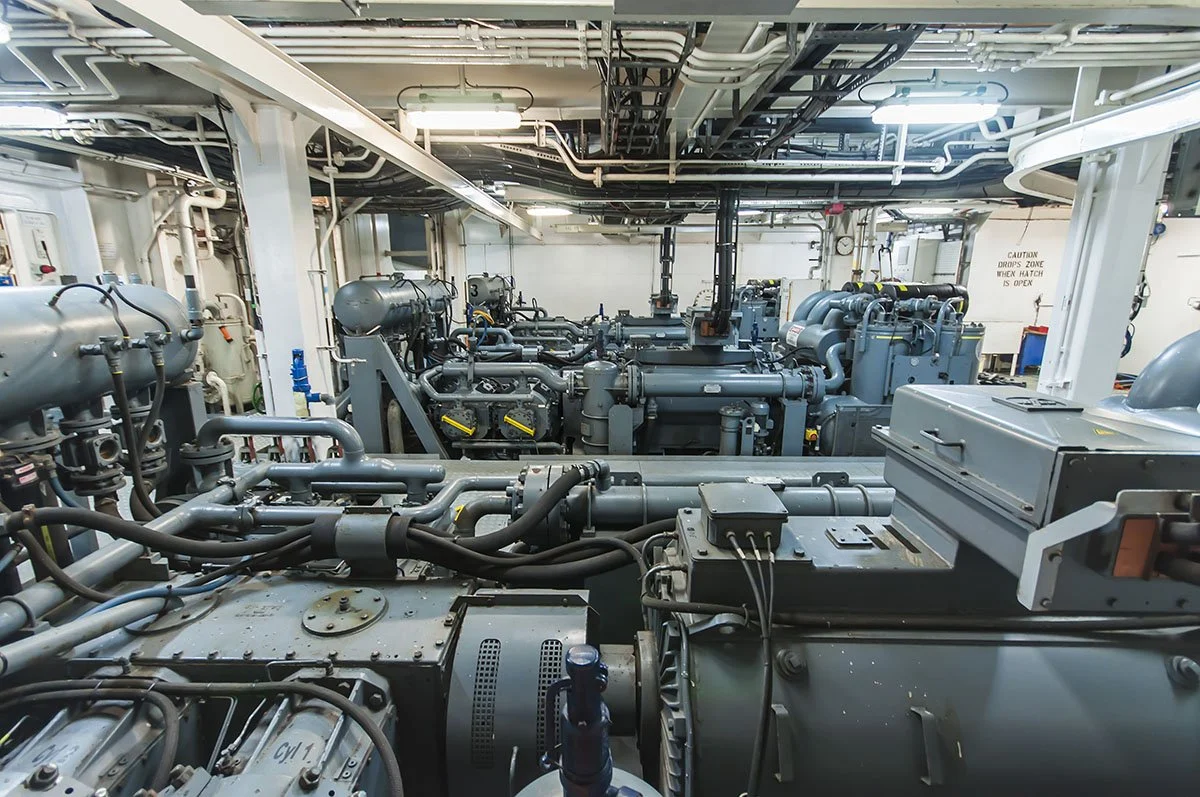
Traditionally, ship safety and machinery health have relied heavily on human senses. Experienced crew members walk the engine room, listen for irregularities, and instinctively react when something “doesn’t sound right.” On the bridge, situational awareness has always depended on both sight and hearing.
However, as vessels become more automated and operations shift toward Remote Operation Centres (ROC), this human sensory layer is disappearing. What remains is a sensor suite dominated by radar, LiDAR, cameras, vibration probes, and temperature sensors.
Yet one critical sensory dimension is often missing: hearing.
From Human Hearing to Digital Superhearing
In industrial and maritime environments, experienced operators rely on hearing as a primary diagnostic tool. Over time, they build intuition around what constitutes normal and abnormal sound patterns. The challenge is that human-based monitoring is limited by physical presence, subjective interpretation, and lack of scalability.
Squarehead’s acoustic arrays digitize this auditory intuition. By combining microphone arrays and machine learning, we enable vessels to:
Detect early warning of faults of mechanical degradation
Reduce or avoid unplanned downtime and secondary damage
Shorten inspection and troubleshooting cycles
More efficient first-line support and service
Improve HSE by limiting human exposure in hazardous machinery spaces
Instead of relying on chance human observation, the vessel gains continuous, objective, and scalable acoustic monitoring.
Two Core Application Areas in Maritime
Acoustic technology in maritime operations spans two primary domains:
Acoustic Asset Management in Machine Rooms
Acoustic asset management enables continuous monitoring of the entire machinery space by digitizing the way experienced engineers use hearing to detect early signs of malfunction. Instead of relying solely on vibration, temperature, or periodic inspections, acoustic arrays listen to the full soundscape, learn what normal operation sounds like, and automatically detect deviations. This provides earlier fault detection, supports remote diagnostics, and reduces unplanned downtime, which is particularly critical for vessels with limited or no crew onboard.Acoustic Situational Awareness for Navigation and Safety
Acoustic situational awareness restores the missing sense of hearing in ROCs and autonomous vessels. By detecting and localizing sounds such as horns, distress calls, impacts, or abnormal events, acoustic sensors complement radar and camera systems and strengthen COLREG-compliant lookout capabilities. The technology enables remote operators and onboard systems to maintain environmental awareness in all weather and visibility conditions, enhancing safety in both traditional and autonomous maritime operations.
Why Acoustics Is Becoming Critical in Maritime Settings
As vessels become more automated and crew sizes shrink, reliance on human sensory presence becomes unsustainable. Digitizing hearing is no longer a “nice to have”, but is a necessary step in maritime digitalization, regardless of the vessel’s level of automation.
1. Traditional Crew-Onboard Vessels
Even on conventionally operated vessels, crew sizes are decreasing while system complexity is increasing. At the same time, many vessels already operate with unattended machinery spaces (UMS) for extended periods, where continuous human monitoring is not feasible. In this context, engineers can no longer rely solely on routine rounds and manual listening to detect developing faults. Acoustic monitoring supports onboard personnel by continuously listening to machinery spaces and external environments, detecting early anomalies, and providing documented event history. The system acts as a second set of ears, improving safety, reducing unplanned downtime, and strengthening compliance with lookout requirements.
2. Remotely Operated Vessels (ROC-Connected)
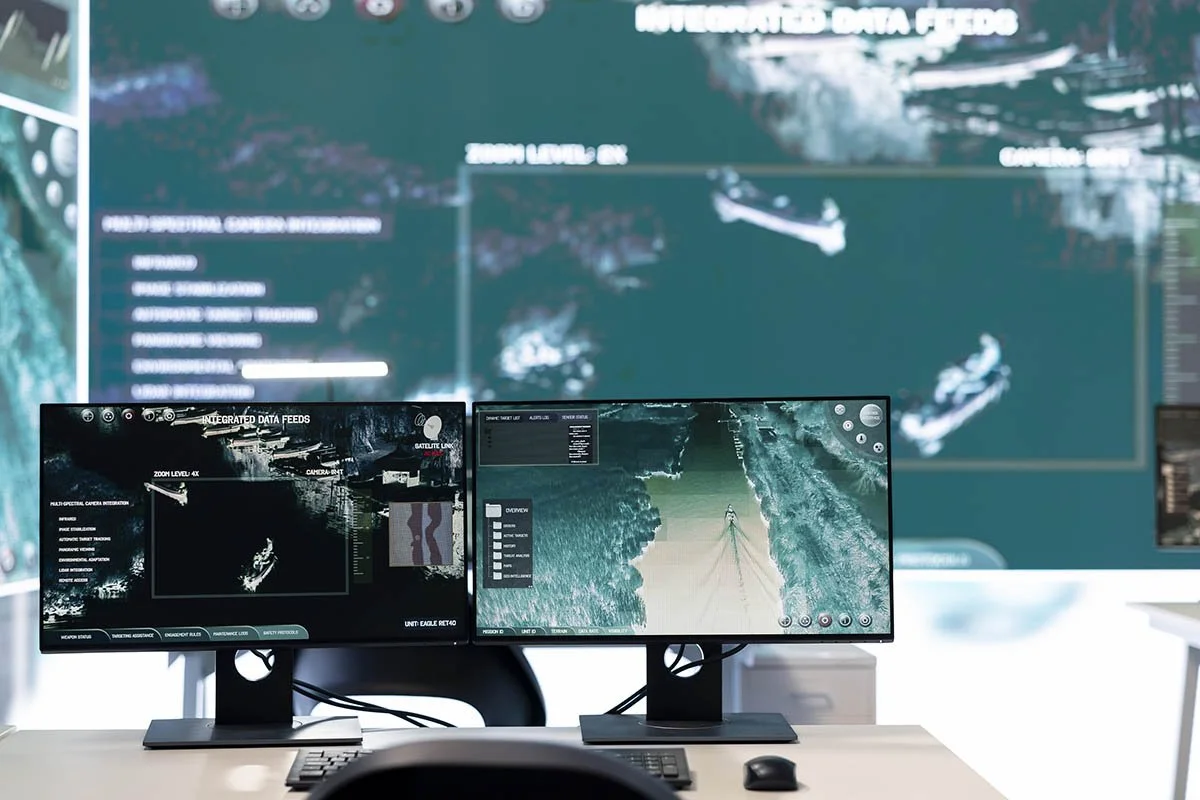
For vessels controlled from Remote Operation Centres, physical presence onboard is limited or removed entirely. In these operations, hearing must be restored digitally. Acoustic arrays allow shore-based operators to listen in real time, localize sound sources, and maintain awareness of both machinery health and surrounding activity. This ensures that remote operators retain the situational context traditionally provided by onboard human senses.
3. Autonomous Vessels (MASS)
Fully autonomous vessels depend entirely on sensor systems to interpret their environment and internal state. While traditional sensors provide critical data, they do not capture the acoustic dimension required for comprehensive situational awareness and early fault detection. Acoustic monitoring fills this sensor gap by enabling COLREG-compliant hearing capabilities, near-field event detection, and AI-driven anomaly monitoring, forming an essential part of a complete autonomous sensor suite.
What Squarehead’s Acoustic System Delivers at Sea
Squarehead’s acoustic arrays are designed specifically for complex and demanding maritime environments. By digitizing and structuring sound into actionable intelligence, the system provides capabilities that strengthen both vessel safety and operational performance.
All-Weather Awareness
Squarehead’s acoustic sensors operate independently of visibility conditions. They maintain performance in fog, darkness, glare, and heavy rain, ensuring continuous environmental awareness regardless of weather.
Full-Space Monitoring
Using large-scale microphone arrays and beamforming technology, a single sensor can monitor an entire machinery space or outdoor area simultaneously. Instead of relying on individual point sensors, the system captures the complete soundscape and isolates relevant sound sources in real time.
Early Anomaly Detection
By learning what “normal” sounds like, the system detects subtle acoustic deviations before they develop into measurable mechanical failures. This enables earlier intervention, reduces unplanned downtime, and supports predictive maintenance strategies.
Remote Superhearing
Through a secure web-based interface, operators can listen live, replay events, and visually localize sound sources from anywhere, whether onboard or in a Remote Operation Centre. This restores auditory awareness in low-crew and fully remote operations.
A Critical Complement to Existing Sensors
Squarehead’s technology is designed to integrate seamlessly with existing sensor suites. It does not replace radar, LiDAR, vibration, or temperature monitoring - it complements them by adding the missing sensory dimension of hearing, strengthening the vessel’s overall perception system.
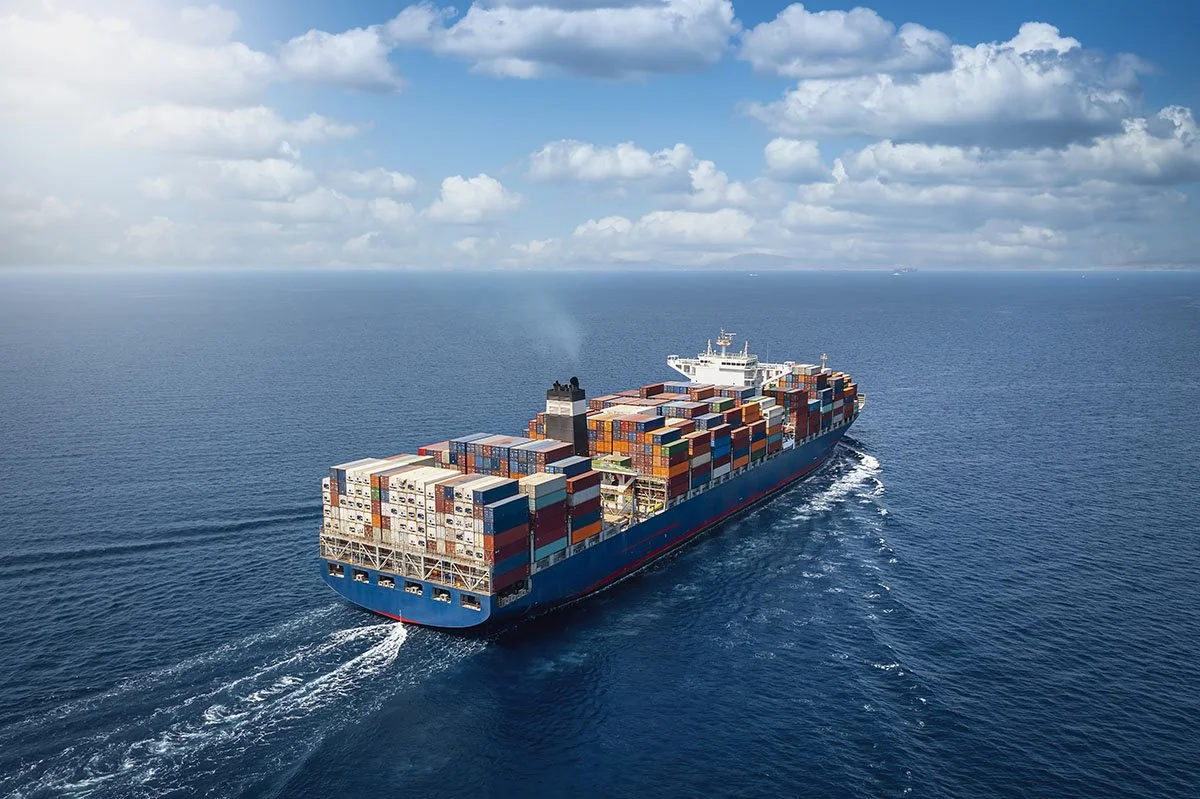
Maritime Operations
Why it matters
The maritime industry is moving toward:
Increased autonomy
Shore-based control centres
Reduced onboard crew
Higher regulatory scrutiny
Data-driven maintenance strategies
To support this transition safely and effectively, vessels must retain and enhance the sensory capabilities traditionally provided by humans. Acoustic situational awareness and AI-driven acoustic anomaly detection represent the digital evolution of maritime hearing. They close the sensor gap, improve safety, and enable scalable remote operations.
Squarehead's solution transforms sound from an overlooked byproduct of operations into a critical source of intelligence for maritime vessels.
INTERESTED TO SEE HOW WE CAN IMPROVE YOUR ACOUSTIC SITUATIONAL AWARENESS?
CONTACT OUR INDUSTRIAL TEAM FOR MORE INFORMATION.